

Current Status: Not Impaired
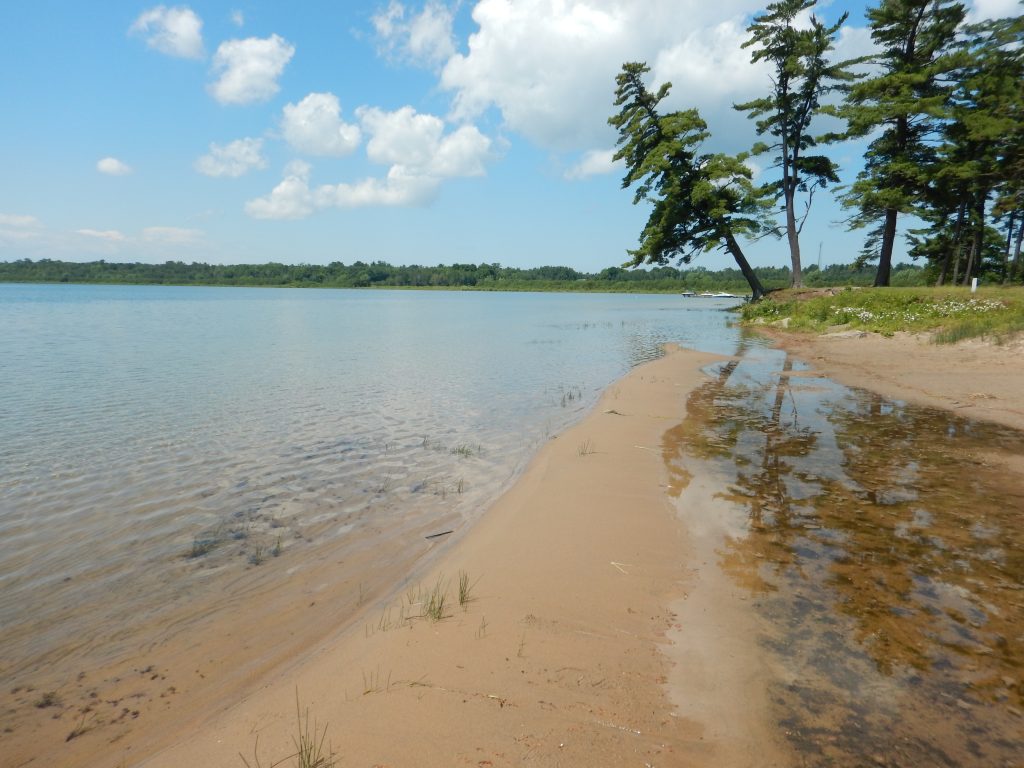
Beach Closings are no longer considered a concern within the Canadian portion of the St. Marys River Area of Concern.
Residents and visitors continue to enjoy swimming and other recreational activities at local beaches. While temporary advisories may still occur following significant rainfall or other natural events, these are common at beaches throughout the Great Lakes and are not considered evidence of impairment.
The redesignation of this BUI reflects ongoing improvements in water quality and the success of efforts to reduce pollution sources throughout the St. Marys River watershed.
Why This BUI Was Listed
Beach Closings is a Beneficial Use Impairment that evaluates whether water quality conditions make local beaches unsafe for swimming and other recreational activities.
When the St. Marys River was designated an Area of Concern, concerns existed that bacterial contamination from sources such as municipal wastewater, combined sewer overflows, stormwater runoff, and waterfowl could lead to elevated levels of bacteria at public beaches. Elevated bacteria levels can increase the risk of illness for swimmers and may result in beach advisories or closures.
At the time, there was insufficient information available to determine whether beach closings were occurring more frequently than would be expected under normal conditions. As a result, this BUI was classified as “Requires Further Assessment.”
Additional monitoring was needed to better understand beach water quality and determine whether local environmental conditions were impairing recreational use.
What Has Changed
Extensive beach monitoring and water quality assessments were conducted to evaluate swimming conditions at beaches within the St. Marys River Area of Concern.
Researchers reviewed:
- Historical beach monitoring records.
- Escherichia coli (E. coli) bacteria concentrations.
- Beach advisories and closures.
- Potential contamination sources.
- Comparisons with provincial recreational water quality guidelines.
The studies found that beach advisories and closures were generally linked to temporary events such as heavy rainfall, stormwater runoff, wildlife activity, or naturally occurring environmental conditions. There was no evidence that chronic contamination from the Area of Concern was causing widespread or persistent beach water quality problems.
Water quality data showed that beaches were meeting provincial recreational water quality objectives at rates comparable to those observed at beaches outside the Area of Concern.
In addition, improvements to wastewater treatment infrastructure and stormwater management practices helped reduce the likelihood of contamination reaching local beaches.
Redesignated to Not Impaired on the Canadian Side
Based on the results of beach monitoring and water quality assessments, the Beach Closings BUI was officially redesignated to “Not Impaired” in 2018.
This redesignation reflects that:
- Beach water quality met the established assessment criteria.
- No chronic contamination sources were found to be causing frequent or persistent beach closures.
- Closure rates were comparable to those expected in similar recreational areas.
- Required monitoring and assessment activities identified in the Remedial Action Plan were successfully completed.
The findings confirmed that environmental conditions within the Area of Concern are not restricting recreational beach use.