Current Status: Not Impaired
Restrictions on Dredging Activities is no longer considered a concern within the Canadian portion of the St. Marys River Area of Concern.
The redesignation recognizes the substantial progress made in assessing and managing sediment contamination throughout the river. While sediment stewardship and monitoring continue, the conditions that originally led to this impairment have been addressed, bringing the St. Marys River one step closer to full restoration and eventual delisting as a Great Lakes Area of Concern.
What Is This BUI?
The Restrictions on Dredging Activities BUI evaluates whether contaminated sediments limit the ability to dredge navigation channels, harbours, or waterfront areas without requiring special handling, treatment, or disposal measures.
Dredging is an important activity in many waterways, helping to maintain navigation routes, marina access, and industrial operations. When sediments become contaminated, however, dredged material may require additional testing, specialized disposal methods, or environmental management measures that would not normally be necessary.
This BUI assesses whether sediment contamination creates restrictions that are greater than those found in comparable, non-impaired waterways.
Why Was This BUI Listed?
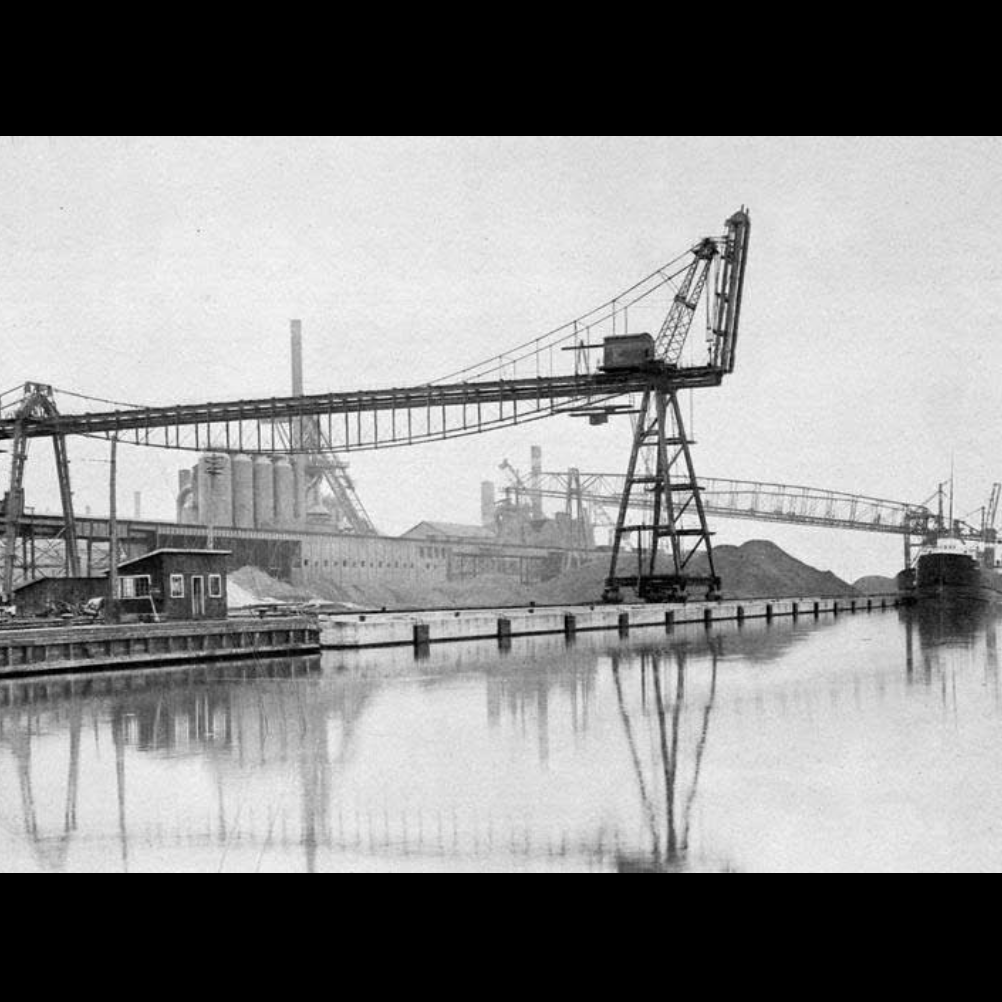
When the St. Marys River was designated a Great Lakes Area of Concern, historical industrial activity had resulted in contaminated sediments in several locations throughout the river.
Investigations found elevated concentrations of contaminants in some sediment deposits, raising concerns that dredging activities could disturb polluted material and potentially release contaminants into the environment.
Because contaminated sediments could require special management during dredging operations, Restrictions on Dredging Activities was identified as a Beneficial Use Impairment.
What Has Changed?
Over the past several decades, extensive sediment investigations have been conducted throughout the St. Marys River Area of Concern.
Scientists collected and analyzed sediment samples from multiple locations to better understand the extent and severity of contamination. These assessments helped identify areas requiring management and guided remediation planning.
Key accomplishments included:
- Comprehensive sediment quality assessments throughout the Area of Concern.
- Identification and characterization of contaminated sediment areas.
- Development of remediation plans for remaining sediment concerns.
- Environmental monitoring to evaluate risks associated with dredging activities.
- Progress toward remediation of contaminated sediments within the Algoma Boat Slip.
The assessments demonstrated that restrictions affecting dredging activities had been sufficiently addressed through investigation, management planning, and remediation commitments.
Status on the Canadian Side
On the Canadian side of the St. Marys River Area of Concern, Restrictions on Dredging Activities is now considered Not Impaired.
Assessments concluded that:
- Sediment conditions have been sufficiently characterized throughout the Area of Concern.
- Remaining contaminated sediment areas have been identified and are being managed appropriately.
- Dredging restrictions attributable to Area of Concern conditions no longer exceed those expected under normal regulatory requirements.
- The delisting criteria established for this BUI have been achieved.
- Required assessment and management actions identified through the Remedial Action Plan have been completed.
The evidence indicates that contaminated sediments no longer create restrictions that warrant maintaining this beneficial use impairment.
Redesignated to Not Impaired on the Canadian Side
Based on the completion of sediment investigations, management planning, and achievement of the delisting criteria, Restrictions on Dredging Activities was officially redesignated to “Not Impaired” on the Canadian side of the St. Marys River Area of Concern.
This redesignation reflects that:
- The requirements established under the Remedial Action Plan have been met.
- Sediment conditions are sufficiently understood and managed.
- Dredging activities are no longer restricted due to Area of Concern-related sediment contamination.
- Long-term management and monitoring programs are in place where required.
The redesignation represents an important milestone in the recovery of the St. Marys River and reflects decades of work to better understand and address historical sediment contamination.